

Cruise Control vs. Gas Pedal: Maximizing Your Fuel Efficiency
Fuel efficiency in vehicles, a crucial aspect for both environmental and economic reasons, refers to the ability of a car to maximize travel distance while minimizing fuel consumption. This concept is becoming increasingly important in today’s world, where sustainability concerns and rising fuel costs compel drivers to seek more efficient transportation options. Understanding fuel efficiency not only helps in reducing carbon footprints but also leads to significant cost savings over time. Therefore, exploring ways to enhance a vehicle’s fuel efficiency, such as using cruise control versus manual speed maintenance, is essential for conscientious drivers and can contribute to more environmentally friendly and economical driving practices.
The importance of fuel efficiency in vehicles extends beyond just personal savings; it plays a pivotal role in addressing environmental concerns and promoting economic well-being. Efficient fuel use reduces greenhouse gas emissions, contributing significantly to the fight against climate change and air pollution, thereby protecting ecosystems and public health. Economically, improved fuel efficiency translates into lower fuel costs for consumers, offering relief in times of rising fuel prices and enabling more cost-effective transportation. By prioritizing fuel-efficient vehicles and driving habits, individuals can make a substantial impact on both environmental conservation and their financial outlay, highlighting fuel efficiency as a key factor in sustainable and economical transportation choices.
In this post, we delve into a comparative analysis of fuel efficiency between two driving techniques: using cruise control versus manual speed control. We aim to explore how each method impacts a vehicle’s fuel consumption, offering insights into when and how to utilize cruise control effectively for optimum fuel efficiency. The discussion will cover varied driving scenarios, from highway cruising to urban commutes, and examine the nuances of maintaining steady speeds manually versus the automated consistency provided by cruise control. This comparison will equip readers with practical knowledge to make informed decisions about their driving habits, ultimately leading to more fuel-efficient and cost-effective vehicle operation.
Understanding Fuel Efficiency

Fuel efficiency, fundamentally, is the measure of how effectively a vehicle uses fuel to power its travel, usually quantified as miles per gallon (MPG) or kilometers per liter. It’s a crucial metric because it directly correlates to the amount of fuel a vehicle consumes, impacting both the environment and the driver’s wallet. High fuel efficiency means a vehicle can travel farther on less fuel, which not only reduces the cost of driving but also minimizes the vehicle’s environmental footprint. This reduction in fuel consumption is vital for decreasing greenhouse gas emissions, a major contributor to climate change, and for conserving non-renewable fuel resources, making fuel efficiency a key factor in promoting sustainable and economical driving practices.
Driving habits significantly influence fuel consumption, with practices like aggressive acceleration, frequent braking, and high-speed driving leading to increased fuel use. Smooth, consistent driving at moderate speeds, on the other hand, can enhance fuel efficiency. Habits such as maintaining a steady pace, using cruise control on highways, and avoiding unnecessary idling also contribute to reduced fuel consumption. Regularly servicing the vehicle, ensuring proper tire inflation, and removing excess weight can further optimize fuel efficiency. Essentially, adopting mindful driving behaviors and maintaining your vehicle can lead to noticeable improvements in fuel economy, benefiting both the environment and your fuel expenses.
Regular vehicle maintenance plays a vital role in ensuring optimal fuel efficiency, as a well-maintained vehicle operates more efficiently and consumes less fuel. Key maintenance tasks include timely oil changes with the right grade of oil, ensuring clean air filters to improve engine efficiency, keeping tires properly inflated to reduce rolling resistance, and ensuring the engine and its components are in good working order. Even simple tasks like replacing spark plugs and maintaining correct wheel alignment can have a significant impact. By keeping a vehicle in top condition, drivers not only extend the life of their car but also enhance its fuel efficiency, leading to reduced fuel costs and a smaller environmental footprint.
An Overview of Cruise Control
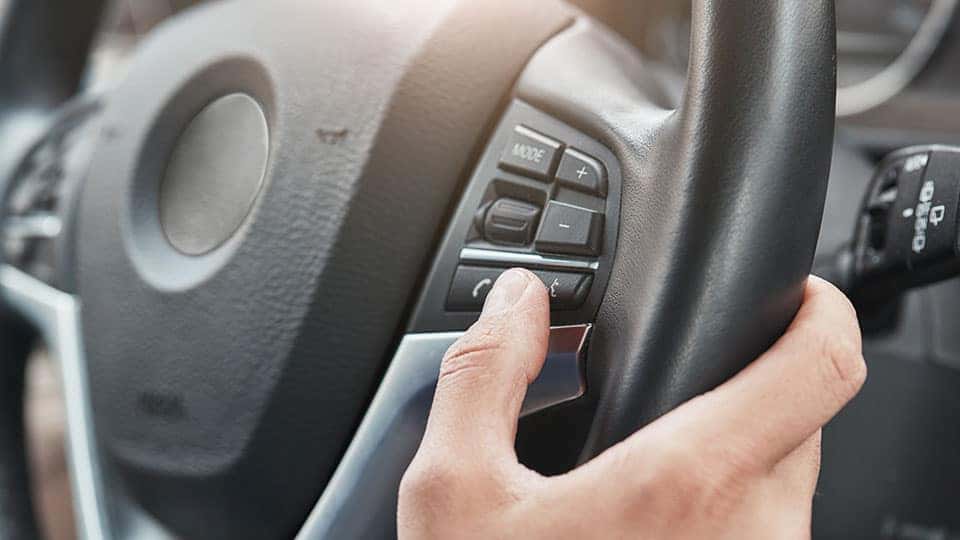
Cruise control is an advanced vehicle feature designed to maintain a constant speed without the need for continuous pedal use. It works by automatically controlling the throttle to keep the vehicle at the driver-set speed, offering a more relaxed driving experience, especially on long journeys. Engaged via controls typically on the steering wheel or dashboard, cruise control can be set at a desired speed, after which the system takes over the acceleration function. Modern systems even adapt to changing traffic conditions through radar or sensors, adjusting speed to maintain a safe distance from other vehicles. This technology not only adds convenience but also aids in maintaining steady speed, which can contribute to improved fuel efficiency.
Cruise control, a now ubiquitous feature in modern vehicles, originated in the 1940s, invented by mechanical engineer Ralph Teetor. His motivation was to create a more consistent driving speed, thereby improving fuel efficiency and comfort. Initially dubbed “Speedostat,” the technology gained popularity in the 1950s and 1960s, becoming a standard feature in many cars. Over the decades, cruise control has evolved significantly; from its basic form of maintaining a steady speed, it has transformed into adaptive cruise control (ACC) in contemporary vehicles. ACC uses radar and sensors to adjust speed automatically in response to traffic conditions, enhancing safety and convenience. This evolution reflects the continuous advancement in automotive technology, aiming to provide a more efficient, comfortable, and safer driving experience.
The use of cruise control offers notable benefits, particularly in terms of convenience and safety. For drivers, it provides a more relaxed driving experience, especially on long trips, by reducing the need for constant acceleration and deceleration. This convenience helps alleviate driver fatigue and maintains consistent speed, contributing to overall driving comfort. From a safety perspective, cruise control aids in adhering to speed limits and prevents unintended speeding. In its advanced form, adaptive cruise control (ACC) enhances safety further by automatically adjusting the vehicle’s speed to maintain a safe distance from the car ahead, reducing the risk of rear-end collisions. These benefits make cruise control a valuable feature for both long-distance travel and everyday commuting, offering an efficient and safer driving experience.
Cruise Control and Fuel Efficiency
Cruise control contributes to better fuel efficiency primarily by maintaining a constant speed, which optimizes fuel consumption. When a vehicle’s speed fluctuates, as often happens with manual control, it requires more fuel to accelerate and decelerate repeatedly. Cruise control eliminates these frequent speed adjustments, allowing the engine to run at a steady, efficient rate, particularly beneficial during highway driving. This consistent speed reduces the engine workload and leads to more efficient fuel usage. Moreover, modern adaptive cruise control systems further enhance efficiency by adjusting speed smoothly in response to traffic conditions, avoiding abrupt speed changes that can consume extra fuel. By reducing the need for constant throttle adjustments, cruise control helps in achieving a more fuel-efficient drive, making it an advantageous tool for both reducing fuel costs and minimizing environmental impact.
Cruise control is most effective in maintaining fuel efficiency under specific driving conditions, particularly on long stretches of road with consistent speed limits, such as highways or open freeways. This technology excels in situations where little deceleration and acceleration are required, allowing the vehicle to maintain a steady speed without frequent manual adjustments. It’s less effective in urban settings with frequent stops, heavy traffic, or varying speed limits, where manual control provides better adaptability. Additionally, cruise control is not recommended in adverse weather conditions, like heavy rain, snow, or ice, where varying speed and driver control are crucial for safety. Optimal use of cruise control in these ideal conditions can result in significant fuel savings and a more relaxed driving experience.
Several studies and expert opinions reinforce the claim that cruise control can enhance fuel efficiency. For instance, a study by Edmunds found that using cruise control under optimal conditions can improve fuel efficiency by up to 7-14%, depending on the vehicle and driving environment. The American Automobile Association (AAA) also supports this, stating that maintaining a constant speed with cruise control helps reduce fuel consumption, particularly on highways. Automotive experts agree that cruise control minimizes the unnecessary acceleration and deceleration that typically increase fuel usage. These findings are echoed by manufacturers and environmental agencies, who advocate for cruise control as a tool for achieving more consistent fuel economy and reducing emissions, aligning with broader goals of energy efficiency and environmental sustainability in transportation.
Manual Speed Control: Using the Gas Pedal
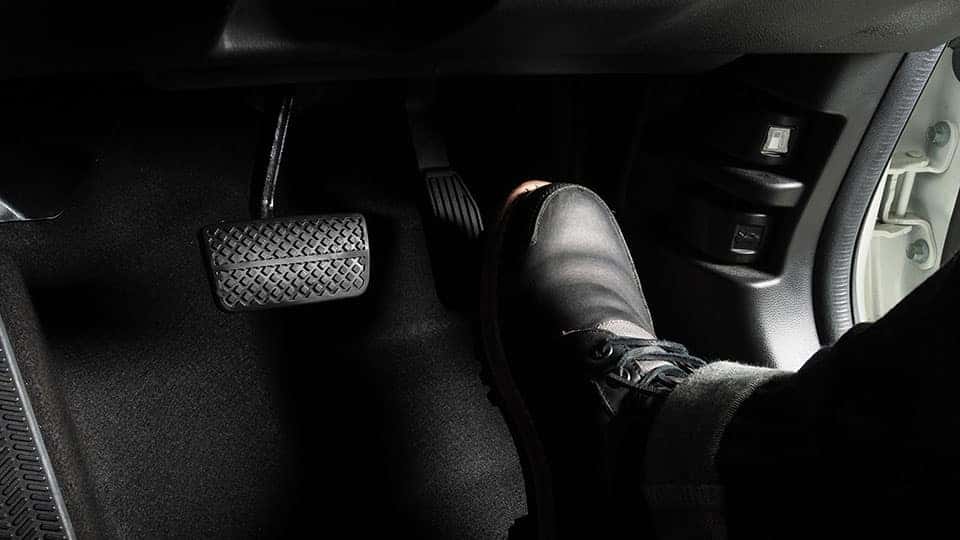
Manual speed control, involving active driver engagement with the gas pedal, requires constant attention and adjustment to maintain a steady speed. This method offers drivers more direct control over the vehicle’s acceleration and deceleration, allowing for immediate response to changing traffic conditions, road inclines, or obstacles. While it demands more focus and can lead to increased driver fatigue over long distances, manual control enables nuanced speed adjustments that adapt to immediate driving contexts. This level of engagement is particularly beneficial in varied driving scenarios like city traffic, winding roads, or areas with frequent speed limit changes, where the flexibility to quickly alter speed is essential. However, this method may lead to less consistent fuel efficiency compared to cruise control, as it relies heavily on the driver’s ability to maintain a steady speed without frequent acceleration and braking.
Manual speed control, while offering flexibility and immediate responsiveness, can lead to varying fuel efficiency due to the inconsistent nature of human input. When drivers manually adjust the gas pedal, there’s a tendency for more frequent and abrupt acceleration and deceleration, which can increase fuel consumption. This variability is especially pronounced in stop-and-go traffic or on roads with varying speed limits, where maintaining a consistent speed is challenging. Unlike cruise control, which maintains a steady speed, manual driving involves a range of speeds and often quicker, less fuel-efficient maneuvers. Consequently, the driver’s style and habits—such as aggressive acceleration or unnecessarily high speeds—play a significant role in fuel efficiency, making it less predictable compared to the more uniform approach of cruise control. This variance highlights the importance of conscious and smooth driving techniques for those opting for manual speed control to optimize fuel efficiency.
Maintaining a steady speed manually demands a significant level of skill and attentiveness from the driver. It involves a delicate balance of consistently monitoring the speedometer and adjusting the gas pedal to maintain the desired speed, especially in varying traffic conditions. This task requires a nuanced understanding of how the vehicle responds to throttle input, as well as the ability to anticipate changes in traffic flow and road conditions. Skilled drivers who can maintain a steady speed manually are adept at gentle acceleration and deceleration, avoiding sudden speed changes that lead to increased fuel consumption. The proficiency in manual speed control not only contributes to smoother driving but also plays a role in optimizing fuel efficiency, though it can be more challenging to achieve the consistent efficiency levels offered by cruise control.
Comparative Analysis
When comparing cruise control to manual speed control in terms of fuel efficiency, cruise control generally leads to better fuel economy under optimal conditions, such as steady driving on highways, by maintaining a consistent speed and reducing the frequency of acceleration and deceleration. In contrast, manual speed control, while offering greater adaptability in varied driving scenarios, often results in less efficient fuel use due to the natural variability in a driver’s speed maintenance, particularly in stop-and-go traffic or on roads with frequent speed changes. Cruise control’s automated system minimizes the engine’s workload by avoiding unnecessary speed fluctuations, thereby conserving fuel. However, in situations requiring frequent speed adjustments, such as city driving or in adverse weather conditions, the precision and flexibility of manual control can be more practical, though potentially less fuel-efficient. This contrast underscores the importance of selecting the appropriate driving mode based on road conditions and desired fuel economy.
In different driving scenarios, the choice between cruise control and manual speed control can significantly affect fuel efficiency and safety. On highways, where conditions are stable and speed limits consistent, cruise control is ideal for maintaining a steady pace, reducing fuel consumption, and minimizing driver fatigue. In contrast, city driving, characterized by frequent stops, varying speed limits, and unpredictable traffic patterns, calls for manual control to swiftly adapt to changing conditions. Hilly terrain presents a unique challenge; while cruise control can maintain a constant speed uphill, it may not be as fuel-efficient as manually downshifting to utilize engine braking downhill. In these scenarios, drivers should consider the terrain, traffic density, and their comfort with vehicle control to choose the most appropriate and fuel-efficient driving mode, balancing efficiency with safety and situational demands.
Additional Tips for Fuel Efficiency
Beyond the use of cruise control, several other driving habits can significantly enhance fuel efficiency. These include gentle acceleration and braking, maintaining a moderate and consistent speed, and minimizing idle time. Anticipatory driving, where the driver keeps a watchful eye on traffic flow to avoid unnecessary stops and starts, also conserves fuel. Regularly checking tire pressure is crucial, as under-inflated tires increase rolling resistance and fuel consumption. Removing excess weight and aerodynamic drag, such as roof racks when not in use, can also improve efficiency. Using air conditioning judiciously, as it increases engine load, and ensuring timely vehicle maintenance, including oil changes and air filter replacements, further contribute to optimal fuel performance. Adopting these practices can lead to a more economical and environmentally friendly driving experience.
Regular vehicle maintenance is crucial for conserving fuel, as a well-maintained vehicle runs more efficiently and consumes less fuel. Key aspects of maintenance that impact fuel efficiency include ensuring engine tuning is up to date, which prevents the engine from working harder than necessary, and replacing dirty air filters to improve airflow and engine performance. Regular oil changes with the correct type of oil reduce engine friction, while maintaining proper tire pressure reduces rolling resistance, both contributing to better fuel economy. Additionally, addressing any issues with the fuel injection system and ensuring the alignment and suspension are in good condition help maintain optimal fuel efficiency. These maintenance practices not only extend the vehicle’s lifespan but also play a significant role in reducing fuel consumption, thereby saving costs and reducing environmental impact.
At Midway Motors, we offer a range of services designed to enhance your vehicle’s efficiency. Our comprehensive maintenance check includes engine tuning, air filter replacement, and oil changes with high-quality lubricants to ensure your engine runs smoothly. We also provide tire inspections and inflation to the optimal pressure, crucial for reducing rolling resistance and improving fuel efficiency. Our expert technicians can assess and repair any issues with your vehicle’s fuel injection system and perform wheel alignment and suspension checks to maintain optimal driving conditions. Additionally, we offer advice on efficient driving practices and can install the latest fuel-efficient technologies in your vehicle. By taking advantage of these services, customers can ensure their vehicles are not only environmentally friendly but also more cost-effective to run.
–
In conclusion, this blog explored the significant impact of driving methods and vehicle maintenance on fuel efficiency, specifically comparing the benefits of cruise control versus manual speed control. Cruise control, ideal for consistent speeds on highways, enhances fuel efficiency by maintaining a steady pace, reducing the need for constant acceleration and braking. In contrast, manual speed control offers more flexibility in varied scenarios like city driving or hilly terrain, though it may lead to less predictable fuel efficiency due to driver variability. We also emphasized the importance of regular vehicle maintenance, such as engine tuning, tire pressure checks, and timely oil changes, in optimizing fuel efficiency. Midway Motors provides a range of services to support these needs, ensuring your vehicle runs efficiently, saving costs, and contributing to a healthier environment. Adopting mindful driving habits and maintaining your vehicle in top condition are key to achieving the best fuel economy and enhancing your overall driving experience.
Wrapping up, we strongly encourage our readers to consider the advantages of using cruise control for improved fuel efficiency, especially during long highway drives. This technology not only aids in maintaining a consistent speed, reducing fuel consumption, but also helps in reducing driver fatigue and ensuring a more comfortable driving experience. While cruise control is most effective in steady, less congested driving conditions, its role in promoting fuel-efficient driving habits cannot be overstated. By leveraging cruise control, alongside other fuel-saving practices like regular vehicle maintenance and mindful driving, you can significantly enhance your vehicle’s fuel economy. We at Midway Motors are committed to helping you achieve the best performance from your vehicle, ensuring both economic and environmental benefits.
We invite you to visit us at Midway Motors for personalized advice on enhancing your vehicle’s fuel efficiency and overall maintenance. Our team of experts is dedicated to providing you with practical tips and comprehensive services that cater to your specific needs, ensuring your vehicle operates at its peak efficiency. Whether it’s adopting smarter driving practices or scheduling regular maintenance checks, we’re here to assist you every step of the way. Join us in our commitment to economical and environmentally friendly driving – visit Midway Motors today to explore how we can help you achieve the best performance and fuel efficiency for your vehicle.
0 comment(s) so far on Cruise Control vs. Gas Pedal: Maximizing Your Fuel Efficiency